A considered guide to natural textiles
A Guide to Linen for Everyday Kitchen and Dining
Linen brings a particular kind of ease to the kitchen table: a tactile, softly irregular surface that feels equally at home beside a weekday breakfast or a more carefully composed dinner. It is practical, absorbent and enduring, but choosing the right piece means looking beyond its appealing texture. Weave, weight, dimensions and care all shape how linen performs in daily life.
The everyday appeal of linen
Kitchen and dining textiles work hard. They are folded, spread, wiped, washed and returned to use, often in quick succession. Linen has earned a place in this everyday rhythm because its natural character is not merely decorative. The fabric is made from flax fibers, and its distinctive hand combines a textured surface with a comfortable drape. Depending on its construction, linen can feel crisp or supple, airy or substantial.
In a kitchen, that character lends itself to useful pieces such as tea towels, cloths and aprons. At the table, linen napkins, runners and tablecloths bring softness and a more relaxed formality. The same fabric can feel polished when neatly pressed or casually elegant when left with the gentle creases that come from use. This versatility is part of its appeal: linen need not be reserved for special occasions to feel considered.
Absorbency is another reason linen is valued in household textiles. A well-made linen towel can be useful for drying hands, polishing glassware or handling light kitchen tasks, although performance varies with yarn, weave, finish and thickness. No fabric should be assumed to suit every job. A finely woven napkin, for example, has a different purpose from a heavier towel designed for more frequent handling. The best choice begins with the task at hand.
Linen also changes with use. Washing and handling can soften the fibers and give the cloth a more lived-in feel. That evolution is not necessarily a flaw; it is part of the material’s appeal. Still, quality, construction and sensible care matter. A textile that suits its intended purpose and is laundered according to its label is more likely to remain useful and attractive over time.
Start with the job the textile needs to do
Before choosing a color or imagining a table setting, consider how a piece will be used. A kitchen towel might need to dry quickly between tasks, while a tablecloth is chosen primarily for coverage, drape and the atmosphere it creates. Napkins need a comfortable hand and practical dimensions; a runner should fit the table without interfering with place settings. Thinking in terms of use makes it easier to compare textiles on meaningful details rather than appearance alone.
For kitchen work, consider whether the cloth will be used for hands, dishes, food preparation or general cleanup. One textile may not be ideal for all of these roles. Keeping separate cloths for distinct purposes can make a kitchen routine clearer and help avoid using a dining napkin for a messy task. If a towel is expected to handle frequent moisture, its weave and care instructions deserve particular attention.
For dining, consider the kind of meals and gatherings that are typical in your home. A tablecloth may be a regular part of the setting or an occasional layer for guests. Napkins can be everyday companions, selected for ease of washing and folding, or more decorative pieces reserved for a particular table arrangement. Neither approach is more correct. The practical question is whether the textile fits the way the household actually lives.
It is also useful to think about storage and laundry. A textile that is easy to fold, wash and put back into circulation is more likely to become a genuine everyday favorite. A special finish or delicate construction may require more attention than a busy household can comfortably give. Care requirements are not an afterthought; they are part of the selection.
Weave, weight and the hand of the cloth
Weave influences both the look and feel of linen. A plain weave often gives a clean, balanced appearance, while more pronounced structures can create visible texture and a stronger sense of pattern. The density of the weave also affects how a cloth drapes and how substantial it feels in the hand. These qualities are best judged in relation to purpose: a light, fluid fabric may suit napkins or a softly gathered tablecloth, while a sturdier construction can feel appropriate for frequent handling.
Weight offers a useful point of comparison, but it should not be treated as a complete measure of quality. A lighter textile may feel cool and easy to fold, whereas a heavier one may have more body on the table. Neither is automatically superior. The desired balance depends on whether the priority is easy laundering, a graceful drape, a tactile surface or a more structured presentation.
Texture is one of linen’s defining pleasures. Small variations in the surface can catch light differently across a table, giving even a quiet color more depth. The effect can be understated rather than rustic: natural fibers bring detail without requiring a bold print or elaborate decoration. If the room already has strong patterns, a simple woven linen can provide a calm counterpoint. If the table is spare, a pronounced weave can supply interest on its own.
When available, examine the product description for fiber content, construction, dimensions and finishing. A label or specification can clarify what a product is made from and how it should be cared for. Avoid relying on a single descriptor such as “soft” or “durable” without considering the rest of the information. Clear details help set realistic expectations for the fabric’s feel, appearance and upkeep.
Finding the right dimensions
Fit has a quiet but decisive effect on how table linens look and function. A tablecloth should cover the surface and fall in a way that feels intentional, without creating an awkward obstruction for chairs or diners. Measure the length and width of the table before selecting a cloth, then decide how much overhang suits the setting. A more generous drop can feel formal; a shorter one may be convenient for everyday meals.
For a runner, compare its length with the table and consider whether it will sit alone or beneath dishes and serving pieces. A runner that is too short can seem accidental, while one that extends substantially beyond the table may become inconvenient in a compact dining area. The table’s shape matters too. Rectangular and round surfaces call for different proportions, and a cloth intended for one shape may not create the same effect on another.
Napkins should feel comfortable in use and proportionate to the place setting. Larger pieces can create a more generous fold, while smaller ones may be easier to manage at a casual meal. For kitchen towels, consider where they will hang or be stored as well as how much surface area is needed for practical tasks. Dimensions affect more than appearance; they influence daily convenience.
When comparing listings, check whether measurements are given in inches, centimeters or both. Also look for information on whether the dimensions refer to the finished textile. Fabric can respond to laundering, so follow the care label and any product-specific guidance rather than assuming that all linen behaves identically.
Color and the language of the table
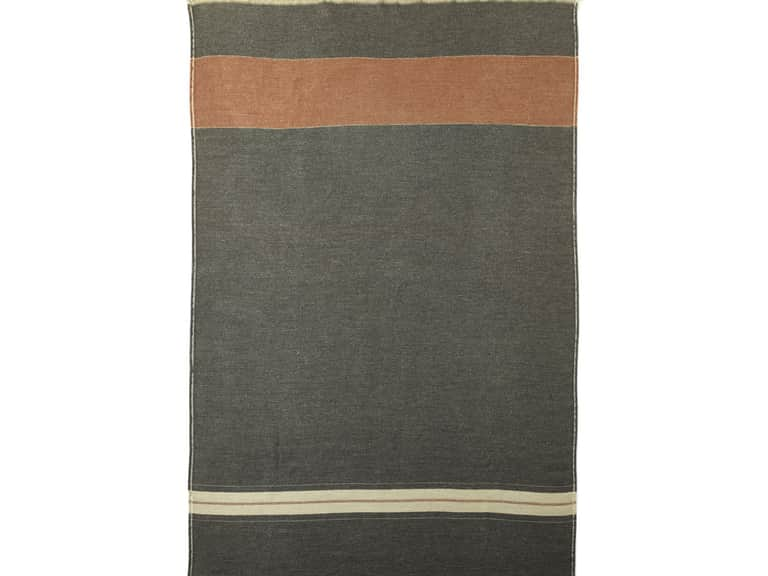
Linen’s natural texture gives color a distinctive quality. A plain shade can appear nuanced as the weave shifts between light and shadow, while stripes and restrained patterns can add definition without overwhelming a setting. Neutral tones are easy to combine with ceramics, glass and wood, but color need not be loud to have presence. A deeper hue or a contrasting napkin can change the mood of the table with very little effort.
When choosing color, think about both the room and the work the textile will do. A pale tablecloth may make a small dining space feel open, though it may call for more attentive stain management. A darker or patterned cloth can be forgiving of some signs of everyday use, but care instructions and colorfastness still matter. If a set is intended for frequent use, choose shades that feel compatible with the household’s existing dishes and laundering habits.
Coordination does not require matching every element. A table can feel cohesive through repeated tones, related textures or a simple contrast between cloth and crockery. Linen works particularly well as a grounding layer: its tactile surface can soften clean-lined dinnerware or complement the grain of a wooden table. For an easy arrangement, keep the larger textile quiet and let smaller details provide variation.
Creases are part of the material’s visual vocabulary. Some prefer a freshly pressed surface; others enjoy linen’s relaxed folds. The choice can be guided by occasion and preference rather than a strict rule. A crisp cloth can lend a more formal finish, while a naturally rumpled one suggests a table ready for conversation. Both approaches honor the fabric’s character.
Everyday care, thoughtfully done
The most important care instruction is the one attached to the individual item. Linen products can differ in fiber composition, dye, finishing and construction, so a universal washing routine is not appropriate for every piece. Follow the label and product guidance, especially when the textile has a special finish or combines linen with other fibers. When in doubt, check the manufacturer’s instructions before laundering.
As a general habit, gentle washing can help preserve the fabric’s texture and appearance. Use a suitable cycle and detergent as directed by the care label, and avoid unnecessary harsh treatment. Overcrowding a washing machine can prevent textiles from moving freely, while very vigorous handling may be harder on fibers and finishes. Separating items by color and soil level can also make laundry more straightforward.
Prompt attention to spills is useful for table linens. Blot rather than aggressively rubbing a fresh mark, and consult the care instructions for the appropriate next step. Different stains require different treatment, and heat can sometimes make a mark more difficult to address. Avoid applying a strong stain remover without checking whether it is suitable for the fabric and its dye.
Drying deserves equal consideration. Avoid over-drying, which can leave linen feeling harsher and contribute to unnecessary wear. Where the care label permits, air drying can be a practical option. If using a dryer, follow the recommended setting and remove the textile when it is dry rather than leaving it tumbling longer than needed. The right approach depends on the item and its instructions.
Ironing is a matter of preference as well as care. If a smoother finish is desired, consult the label for the correct temperature and method. Linen may be easier to press when it retains a little moisture, but product guidance should take precedence. If a relaxed look is preferred, careful drying and folding may be enough. Regular use does not demand a perfectly pressed finish.
Store clean textiles in a dry, well-ventilated place. Folding them neatly makes it easier to find the right piece when needed and helps prevent the cupboard from becoming a catch-all. For frequently used towels and napkins, keeping a practical rotation can reduce pressure on any single item. Small habits—washing according to instructions, treating spills promptly and avoiding unnecessary heat—support a longer useful life.
Building a useful linen collection
A considered collection does not need to be extensive. Begin with the textiles that answer a real need: a dependable set of kitchen towels, a few dining napkins or a table covering that suits the size and shape of the table. Add pieces gradually, paying attention to what is used often and what remains folded away. This approach keeps the collection practical and makes it easier to choose items that work together.
For everyday dining, a small group of versatile napkins can be more useful than a large assortment reserved for special occasions. A neutral base allows different plates and serving pieces to take the lead, while one or two contrasting colors can introduce variety. If regular washing is part of the routine, having enough pieces to bridge laundry days is as important as the appearance of the set.
Kitchen textiles benefit from a similar assessment. Separate the cloths used for dishes from those used for other tasks, and replace or retire pieces when they no longer serve their purpose. Linen’s durability can make it a long-lived choice, but no textile is indestructible. Wear should be judged honestly: a softened towel may remain useful, while a cloth with persistent damage may be better suited to a less demanding role.
Thoughtful purchasing also means reading product information rather than assuming that every item described as linen is identical. Look for clear details about composition, weave, dimensions and care. If the fabric is blended, understand what the additional fibers mean for handling and laundering. Transparent specifications make it easier to select a piece with realistic expectations.
A more enduring kind of elegance
Linen’s appeal lies in the meeting of function and atmosphere. It can absorb, drape, soften and frame a table, yet it does not have to look immaculate to feel beautiful. Its surface carries the evidence of use in a way that can make everyday meals feel more personal. A folded napkin, a well-sized runner or a towel hung within reach can bring a sense of order without making the kitchen feel overly styled.
Choosing well means balancing those pleasures with practical questions. Consider what the textile will do, how its weave and weight feel, whether the dimensions are suitable and what the care label asks of you. Select colors that fit the room and the rhythm of the household. Give the fabric gentle, appropriate care, and allow it to develop the softness that comes with use.
In a kitchen and dining room, the most successful linen is not necessarily the most precious. It is the piece that gets brought out, washed, folded and used again: a quiet companion to routine, and an uncomplicated way to make an ordinary table feel considered.
A quick checklist before choosing
- Identify the intended task, whether meal preparation, drying, serving or setting the table.
- Compare weave and weight with the feel and performance you want.
- Measure the table or storage space and check the textile’s stated dimensions.
- Read the fiber composition and care instructions rather than assuming all linen is alike.
- Choose colors and patterns that work with the tableware and the realities of everyday use.
- Follow the individual label, wash gently when instructed and avoid over-drying.
With these details in mind, linen kitchen textiles and table linens become easier to choose with confidence. The result is a collection shaped not by display alone, but by comfort, usefulness and the pleasure of living with natural fabric every day.