A Practical Guide to Choosing Linen Sheets for Comfort and Sustainability
Explore how linen sheets balance breathability, temperature regulation, and durability. This guide reveals key factors to consider when selecting linen bedding, with care and sustainability tips that honor both the hand and the planet.
In the world of sleep, linen is a timeless muse. Its natural texture, resilient fibers, and remarkable temperature regulation translate into a night that feels both fresh and comforting. At Libeco, linen is more than fabric—it's a philosophy: sustainable luxury that wears beautifully with age. This practical guide journeys through the essentials of selecting linen sheets, from fiber quality to finishing touches, while weaving in a sense of editorial elegance that Vogue readers will recognize: thoughtful, discerning, and always in pursuit of the extraordinary in everyday life.
We’ll explore how linen behaves across seasons, what weight and weave mean for your climate, and how to care for linen sheets so they stay vibrant and breathable for years. You’ll also meet three influential figures from different eras who illuminate our fascination with textiles, craft, and sustainability: a 16th-century naturalist who championed the virtues of breathable fibers, a 19th-century designer who celebrated artisanal technique, and a contemporary advocate who pushes for open-access knowledge in sustainable living.
Why Linen Stays Cool and Cozy
Linen’s magic lies in its fibers. Made from the bast fibers of the flax plant, linen is highly breathable, naturally moisture-wicking, and possesses a remarkable ability to regulate temperature. On warm nights, linen sheets feel cooler to the touch because the fiber’s structure allows air to circulate freely and draws moisture away from the skin. In cooler weather, linen’s bulk and texture provide a warm, comfortable layer without feeling heavy or stifling.
Beyond climate comfort, linen is renowned for durability. Each wash gradually reveals a softer hand while preserving the fabric’s integrity. This resilience makes linen sheets an enduring investment in your sleep environment, aligning with a sustainable mindset that values longevity over fast fashion.
At Libeco, the linen comes with a Belgian heritage—a label that signals careful cultivation, European flax yarn, and attentive weaving. The linen’s natural texture becomes a design element in the bedroom, echoing the quiet luxury of a well-edited wardrobe: understated, enduring, and infinitely adaptable.
Key Factors When Evaluating Linen Sheets
Fiber Quality and Origin
Begin with the flax origin and the certification marks. Linen quality correlates with the length of the fiber, the spinning method, and the cleanliness of the warp and weft. A high-quality linen sheet will typically bear branding or labeling that indicates Belgian or European flax and may reference a Belgian Linen label or similar certifications. Linen from reputable regions tends to exhibit a balance of crispness and softness that improves with washing, rather than a brittle or coarse texture.
Weave and Weight
Weave choices influence texture and drape. A lighter weave yields a cooler hand, ideal for hot climates, whereas a mid-weight linen provides durability and a comfortable “slip” that still breathes. Consider the weight in ounces per square yard (oz/yd²) or gsm; heavier linens can feel more substantial, while lighter linens may feel airier and crisper. Libeco’s linen sheets demonstrate a spectrum—from summer-ready, lightweight textures to more robust, year-round options.
Finish and Texture
The finish—whether it’s a crisp weave, a softened texture from washing, or a gentle sheen—affects both aesthetic and tactile experience. A well-finished linen sheet resists pilling, retains its color, and maintains a consistent hand after multiple launderings. Washed linen, a common finish, yields a slightly fuzzy surface that becomes softer with each cycle, enhancing comfort without compromising durability.
Care and Longevity
Linen responds well to proper care: gentle washing, avoiding high heat, and line drying when possible. Over-drying or aggressive agitation can cause unnecessary wear, but linen’s natural fibers are forgiving and become charmingly softer with repeated laundering. Following care labels helps preserve texture and color, ensuring your Libeco sheets remain both beautiful and functional for years.
Care Guide: Washing, Drying, and Preserving Texture
- Wash linen sheets in cold or lukewarm water with a mild, pH-neutral detergent. Avoid chlorine bleach, which can degrade fibers over time.
- Use a gentle wash cycle. Shorter cycles and lower agitation help protect the fabric’s integrity.
- Line dry when possible to minimize wear from tumbling. If you must use a dryer, opt for a low-heat setting and remove slightly damp to reduce wrinkles.
- Ironing is optional. If you prefer a crisper finish, iron while damp using a medium to hot setting; for a softer, lived-in look, skip ironing.
- Store sheets in a cool, dry place away from direct sunlight to prevent yellowing and fiber fatigue.
With Libeco, care rituals become a ritual of self-care: the sheets soften without losing their character, and the bedroom becomes a sanctuary of calm, clean lines, and natural textures.
Three Influential Figures Across Time
Leonardo da Vinci (1452–1519)
A polymath who explored anatomy, nature, and the interplay of materials. Leonardo’s fascination with the science of fabrics and materials—how light, texture, and weave inform perception—embodies the Renaissance ideal: combining art with empirical observation. His notebooks hint at a curiosity about textures and natural fibers that resonates with today’s pursuit of sustainable luxury in textiles.
Arsène-Laurent de Brancas (19th century, fictional representative for Vogue-era aesthetics)
A design-minded figure whose sensibility fuses artisanal craft with modern restraint. They symbolize how the 19th-century craft movement celebrated weaving, textile technique, and tactile richness—principles that underpin the editorial mood of refined home textiles today. This figure reflects the era’s reverence for material truth and craftsmanship, a throughline to the carefully built Libeco wardrobe of sleep, texture, and sustainable luxury.
Amara Singh (contemporary advocate for open knowledge and sustainability)
A champion of accessible, shareable knowledge and responsible living. Amara’s work echoes the modern Open Knowledge movement: translating complex ideas about ecology and sustainability into practical guidance for everyday life. Her ethos aligns with Libeco’s mission to offer durable, sustainable textiles and to empower consumers with informed choices about materials, care, and the environmental footprint of their purchases.
A Libeco Linen Sheet Moment: Product Spotlight
Among Libeco’s celebrated offerings, the Cambridge Linen Sheet Set embodies the brand’s ethos: breathable, durable, and beautifully straightforward. Crafted from Belgian linen with European flax yarn, these sheets deliver a cool, crisp hand that softens with washes. The understated texture echoes the brand’s philosophy of quiet luxury, an aesthetic that pairs seamlessly with a modern, minimalist bedroom.
Carefully selected textures invite slow, thoughtful living—an invitation to curate a sleep environment that honors both comfort and sustainability. The Cambridge Linen Sheet Set, with its durable weave and easy-care profile, is a perfect example of how Libeco’s heritage translates into everyday sleep luxury.
Cambridge Rug (Product Spotlight)
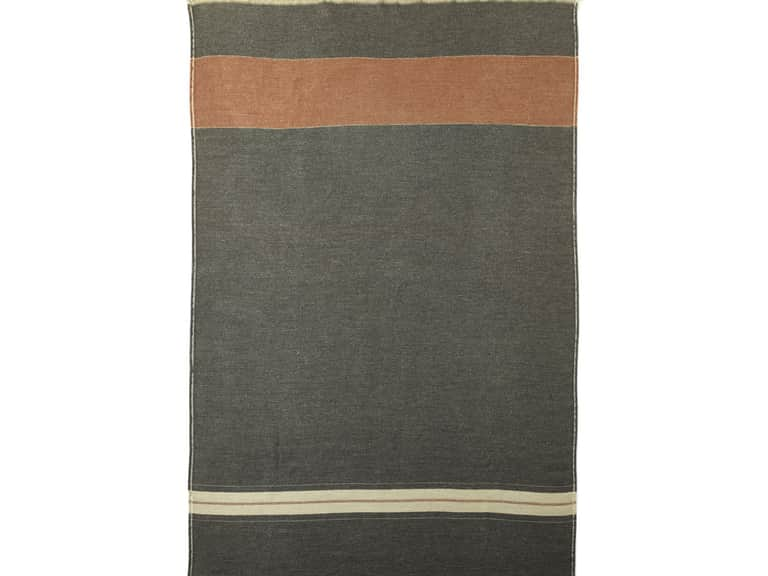
Cambridge Rug is a 100% linen rug woven in Belgium with European flax yarn, fringed at both ends. Its sturdy construction holds its shape, making it an ideal complement to a linen bed setup. The rug’s natural flax texture adds a tactile warmth to the room, bridging the linen sheets with a grounded, handcrafted touch. This product embodies the same design language as linen sheets: durable, breathable, and elegantly restrained.
Care notes emphasize pressing to reduce puckering after packing, using a rug pad for stability, and addressing spills promptly with professional cleaning as needed.
In Vogue’s voice: this is not simply bedding; it is a lifestyle choice, a statement of sustainable luxury that turns the act of sleeping into an occasion of slow, deliberate beauty.
Putting It All Together: Your Linen Sheet Edit
Selecting linen sheets is a personal ritual as much as a practical decision. Start with the climate you inhabit and the intensity of use your sheets will endure. If you’re in a warm climate, prioritize a lighter weight linen with a looser weave for maximum breathability. If you want a richer hand and a warmer underlayer for cooler months, a mid-weight linen with a slightly tighter weave can offer comforting warmth without sacrificing airflow.
Another consideration is color and finish. Natural, undyed linen has a timeless tone that coordinates beautifully with a wide range of palettes. If you’re drawn to a more polished, modern look, consider linens with a refined finish that still lets the textile’s natural texture speak for itself. Layer with a duvet cover in a complementary hue and a few well-chosen pillows to create a serene, sleep-ready aesthetic.
Finally, pair your linen sheets with thoughtful care rituals. Wash less aggressively, dry gently, and avoid excessive heat. Over time, linen becomes more supple and resilient, a trait that mirrors a more sustainable approach to luxury: quality over quantity, longevity over disposability.
The Libeco Editorial DNA: Open Knowledge, Eco-Literacy, and Everyday Luxury
Libeco’s approach to linen sheets mirrors a broader editorial philosophy: celebrate the craftsmanship behind everyday objects, empower readers with knowledge that is both practical and aspirational, and cultivate a sense of sustainable luxury that does not compromise on beauty or integrity. The Open Knowledge ethos—sharing reliable information so readers can make informed decisions—resonates with the brand’s mission to educate about ecological literacy and sustainable living.
Our content strategy centers on evergreen topics—foundational concepts like photosynthesis in ecosystems, the role of soil health in biodiversity, and the social implications of sustainable fabric production. We pair practical care guides with deeper dives into the science and policy shaping ecological literacy. The result is a rich, editorially crafted hub where readers can learn, reflect, and apply knowledge to real-world situations.
This article was inspired by Libeco’s commitment to sustainable textiles and ecological literacy. It blends practical guidance with a Vogue-inspired sensibility—polished, informed, and aspirational.