Bedding · A practical guide
Duvet Cover Details That Matter: Fit, Closures, and Care
The best duvet cover is more than a beautiful layer. It should sit smoothly around its insert, stay in place through the night, and make laundry day feel uncomplicated. A closer look at sizing, fastening details, fabric, and care can help you choose a cover that feels considered in everyday use.
A duvet cover has a deceptively simple job: it protects the insert while giving the bed its finished appearance. But that quiet role depends on details. A cover that is too small can compress the duvet and pull at the corners; one that is too generous may leave the insert drifting inside. An awkward closure can turn a routine change into a small wrestling match, while unsuitable laundering may dull a fabric’s texture or shorten its useful life.
These choices are especially noticeable with linen. Its relaxed surface and airy hand bring a distinctive character to a bedroom, but the fabric still benefits from thoughtful sizing and care. Whether you are choosing a crisp, smooth finish or a more casually rumpled look, the principles are the same: match the cover to the insert, consider how the closure will work in your routine, and follow the care instructions for the particular textile.
Rather than relying on appearance alone, read the dimensions and construction information before deciding. A little attention at the point of purchase can make the cover easier to use, more comfortable to sleep beneath, and more harmonious with the rest of the bedding.
Start with the insert, not the bed
The most useful measurement when choosing a duvet cover is the duvet insert itself. Bed labels such as queen or king provide a helpful starting point, but sizing conventions can vary among manufacturers and regions. Inserts described with the same bed-size name may not have identical dimensions. Measure the insert from edge to edge, then compare those figures with the cover’s stated finished dimensions.
A close match generally helps the duvet fill the cover evenly without feeling squeezed. If the cover is markedly larger, the insert can shift toward one side or settle into a loose pocket at the foot of the bed. If it is too small, the duvet may bunch, compress, or pull against the seams. The result is not only a less polished bed; the insert can also feel uneven as you move beneath it.
Check both length and width rather than assuming that a familiar size name tells the whole story. Also consider the duvet’s loft. A lofty insert occupies more space than a flatter one with the same surface dimensions, and a very close cover may make it feel less lofty. Product information that lists actual measurements is more useful than a size label alone.
- Measure the insert flat, from seam to seam, without stretching the fabric.
- Compare the insert measurements with the cover’s finished dimensions.
- Take loft into account, particularly if the duvet is thick or unusually full.
- Check that the cover’s dimensions suit your mattress and preferred bed drape.
The last point matters because a duvet cover is visible beyond the mattress. Some people prefer a generous drop over the sides; others like a neater, more tailored line. Mattress depth, bed-frame proportions, and the thickness of any mattress topper can all affect how the duvet falls. Fit is therefore both a matter of keeping the insert secure and achieving the silhouette you want.
A closer fit is not always a better fit
It is tempting to choose the smallest cover that will accommodate an insert, with the idea that a snug fit must prevent movement. In practice, an overly tight cover can make the duvet feel restricted and may place unnecessary strain on the seams and closure. The goal is a balanced fit: enough room for the insert to settle naturally, but not so much that it slips around inside.
Construction details help achieve that balance. Corner ties or loops, when present, attach to corresponding points on the insert and reduce shifting. They are particularly useful for a duvet that tends to migrate inside its cover or for sleepers who move around during the night. Before buying, check how many ties the cover has and whether the insert has loops in compatible positions. Some designs use ties at all four corners; others may include additional fastening points along the sides.
To secure the insert, turn the cover inside out, reach for its far corners, and grasp the corresponding corners of the duvet. Bring the cover over the insert, then fasten the ties or loops before closing the opening. A gentle shake helps distribute the fill. This method can make changing a large cover less cumbersome, especially when working alone.
Corner ties cannot compensate for a substantial size mismatch, and they do not need to be pulled tightly. Their purpose is to hold the two layers in alignment, not to stretch the cover. If the insert repeatedly gathers or appears lumpy, revisit the measurements and check that every attachment point is secured evenly.
Closures: convenience at the edge
The opening is a small part of a duvet cover, but it has an outsized effect on daily use. It determines how easily the insert can be removed for washing, how securely the cover stays shut, and how finished the foot of the bed looks. The right option is the one that suits both your habits and the construction of the cover.
Buttons
Buttons offer a familiar, understated finish. When evenly spaced and securely sewn, they can keep the opening closed while blending into the bedding. Button closures take a little more time to fasten than a zip, but they are straightforward to use and can be individually replaced if one is damaged. Before laundering, close the buttons if the care guidance recommends it, and avoid tugging sharply on the fabric around them.
Zippers
A zipper can make inserting and removing an insert quick. Its neat line is often concealed along an edge, making it visually discreet. For longevity, close it gently rather than forcing it through caught fabric, and check that the pull is fully secured before washing. A zipper guard, when included, can help keep the hardware from rubbing against other items in the wash.
Ties and other fastenings
Some covers use interior ties to anchor the insert, while the main opening may be finished with buttons, a zipper, or a simple overlap. These elements serve different purposes: inner ties help keep the duvet aligned, and the outer closure keeps it enclosed. A design that combines both can be especially practical for inserts that shift easily.
Look closely at where the opening sits. A closure at the foot of the bed may be convenient to reach, while one placed along a side can make insertion easier for some people. Consider whether the fastening is accessible, whether it feels smooth against the bedding, and whether its construction looks sturdy enough for frequent changes. Small hardware details should make the routine easier, not more delicate.
Fabric sets the mood—and the routine
Fabric influences the look and feel of a duvet cover, but it also affects how the cover behaves over time. Linen is valued for its breathable, naturally textured surface and relaxed drape. Its characteristic irregularities are part of its appeal: the finish can look composed without being overly formal, and the fabric often develops a softer hand with use and washing.
Breathability is one reason linen is considered for year-round bedding. The comfort of any fabric, however, depends on more than its fiber. Weave, weight, room temperature, the duvet insert, and personal preference all matter. A cover that feels airy to one sleeper may feel different to another, so product descriptions and care labels should be read as practical guidance rather than promises of a particular sleep experience.
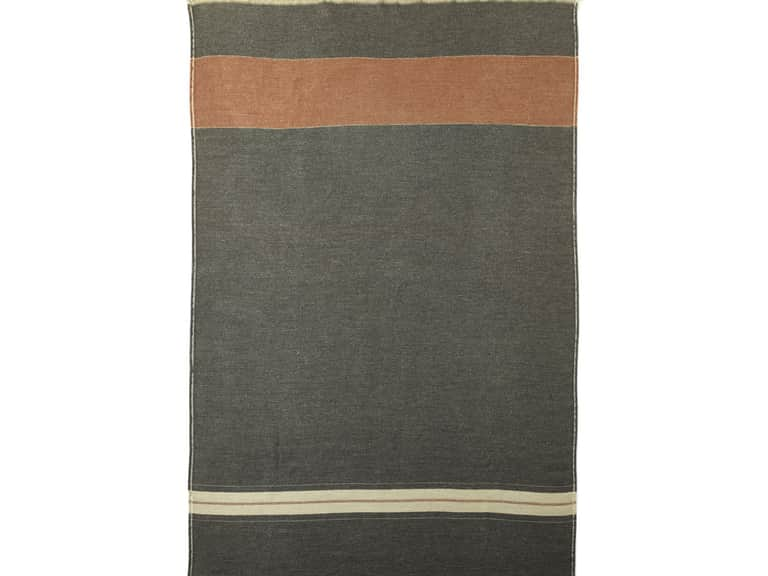
For a coordinated natural-textile bed, the Libeco Luc Throw offers a complementary linen-and-wool layer. Its 70 percent linen and 30 percent wool blend, washed texture, and stripes at each end can introduce warmth and texture over a duvet without changing the cover’s fit or construction. As with any textile, follow its own care instructions rather than assuming that the same routine applies to every item on the bed.
When comparing linen duvet covers, note whether the description identifies the fiber content, weave, finish, and country or method of construction. Terms such as pre-washed or washed describe finishing that can influence the fabric’s initial feel, while color and weave affect how the cover reads in a room. These details are useful, but the care label remains the authority for laundering.
Other fabrics may suit different priorities. Cotton can offer a familiar, smooth hand, while blended textiles may combine qualities from more than one fiber. No material is automatically right for every sleeper or household. Consider how a cover feels against your skin, how much texture you enjoy, how often you plan to wash it, and whether its maintenance requirements fit your schedule.
Care that protects the hand of the fabric
Thoughtful bedding care begins with the label. Fiber content, dye, finishing, closures, and construction all influence what a cover can tolerate. Even two linen duvet covers may have different instructions, so avoid applying a general rule in place of the manufacturer’s guidance. If the label specifies a temperature, detergent type, drying method, or professional care, follow that information.
Before washing, close buttons or zippers when appropriate, secure loose ties, and turn the cover inside out if the care guidance suggests doing so. This can help limit friction on the visible surface and prevent fastenings from catching on other laundry. Wash similar colors together and avoid overcrowding the machine, which can prevent the cover from moving freely through the cycle.
Use a mild detergent and the recommended water temperature. Strong bleach or harsh treatments can affect color and fiber integrity, particularly on naturally toned or dyed textiles. Fabric softener is not automatically necessary; depending on the textile and care directions, it may alter the feel or performance of the fabric. When in doubt, keep the wash routine simple and follow the label closely.
Drying deserves equal attention. Line drying can reduce heat exposure and allow the fabric to move gently in the air. If tumble drying is permitted, use the temperature stated on the care instructions and remove the cover promptly when dry. Excessive heat or leaving fabric in the dryer after it has dried may contribute to unnecessary wear or set-in creasing. A slightly damp cover may be easier to smooth and put back on the insert, depending on the fabric’s instructions.
- Read the care label before the first wash and keep its instructions available.
- Separate colors and wash with similar textiles to reduce transfer and snagging.
- Choose a gentle cycle and detergent when permitted by the care guidance.
- Avoid chlorine bleach unless the manufacturer explicitly says it is suitable.
- Use the recommended drying method and temperature; do not over-dry.
- Store the cover clean and completely dry in a well-ventilated place.
Linen’s natural texture does not need to be pressed into a perfectly smooth finish. Many people prefer its soft creases and relaxed appearance. If a more polished look is desired, consult the care directions before ironing and use the appropriate setting. The aim is not to erase the fabric’s character, but to keep it clean, comfortable, and in good condition.
Make changing the cover easier
A well-designed duvet cover can simplify the bedding routine, but a methodical approach helps too. Lay the duvet flat and make sure it is not folded or twisted before placing it inside. Align the corners first, then distribute the insert along the length of the cover. Fasten any internal ties and close the opening only after checking that the fill is spread evenly.
If the insert is especially large, it can help to fold it lengthwise before feeding it into the cover, then unfold it once the corners are aligned. Some people use the inside-out rolling method: place the insert on top of the inside-out cover, attach the corners, roll the layers together toward the opening, then pull the cover around the roll and unroll. The best technique is simply the one that gives you control without stretching the fabric or straining the closure.
After the cover is on, give the duvet a light shake from the top corners and smooth the surface by hand. If a corner seems empty, check the tie before assuming the insert is the wrong size. Regularly inspecting seams and fastenings can help you notice loose threads or a damaged button before they become more troublesome.
Common selection mistakes to avoid
One frequent mistake is buying solely by bed size. As dimensions vary, the insert and cover should be compared directly. Another is assuming that all closures function alike. A fastening that looks discreet in a product description may not be the easiest choice for someone who changes bedding often, while a more elaborate closure may be unnecessary for a household seeking simplicity.
It is also easy to overlook the relationship between cover and insert. A cover can be beautifully made and still feel wrong if it is too tight, too loose, or incompatible with the insert’s attachment points. Review the specifications before choosing, and ask for clarification if the finished measurements or closure details are not provided.
Finally, do not assume that natural fibers require identical care. Linen, cotton, wool blends, and finished textiles can have distinct needs. A gentle approach is sensible, but the specific care label should guide each item. The most durable routine is one that respects the actual construction rather than relying on broad assumptions.
A calm, considered checklist
Before choosing a duvet cover, pause over a few practical questions. Does its finished size correspond to the insert? Are internal ties or loops included, and do they align with the duvet? Is the closure easy to operate and made for regular use? Does the fabric suit the room’s atmosphere and your preferred feel? And can you comfortably follow the care instructions?
When those answers are clear, the decision becomes less about guesswork and more about fit. A duvet cover should protect the insert without hiding the pleasure of the textile itself. Good proportions make the bed look composed; well-considered closures make daily use easier; and attentive laundering helps preserve the fabric’s appearance and feel.
The most enduring bedding choices are often the ones that quietly work. They are easy to put on, comfortable through changing seasons, and straightforward to care for. By paying attention to measurements, construction, and fiber guidance, you can choose a cover that feels as right in practice as it looks on the bed.